Thermoregulated Clothing: Lowering Household CO2 Emissions Through Functional Textile Prints
Many disorders can impact an individual’s ability to regulate their body temperature, particularly those with disorders that limit mobility such as Parkinson’s disease or stroke.
Thermoregulation disorders are common in elderly populations due to age-related physiologic changes and diseases, leading to increased risk of hypothermia. Thermoregulation disorders can lead to low body temperatures, particularly when exposed to colder environments, prompting individuals to rely on excessive home heating, resulting in high energy costs, increased CO2 emissions, and discomfort for carers and visitors.
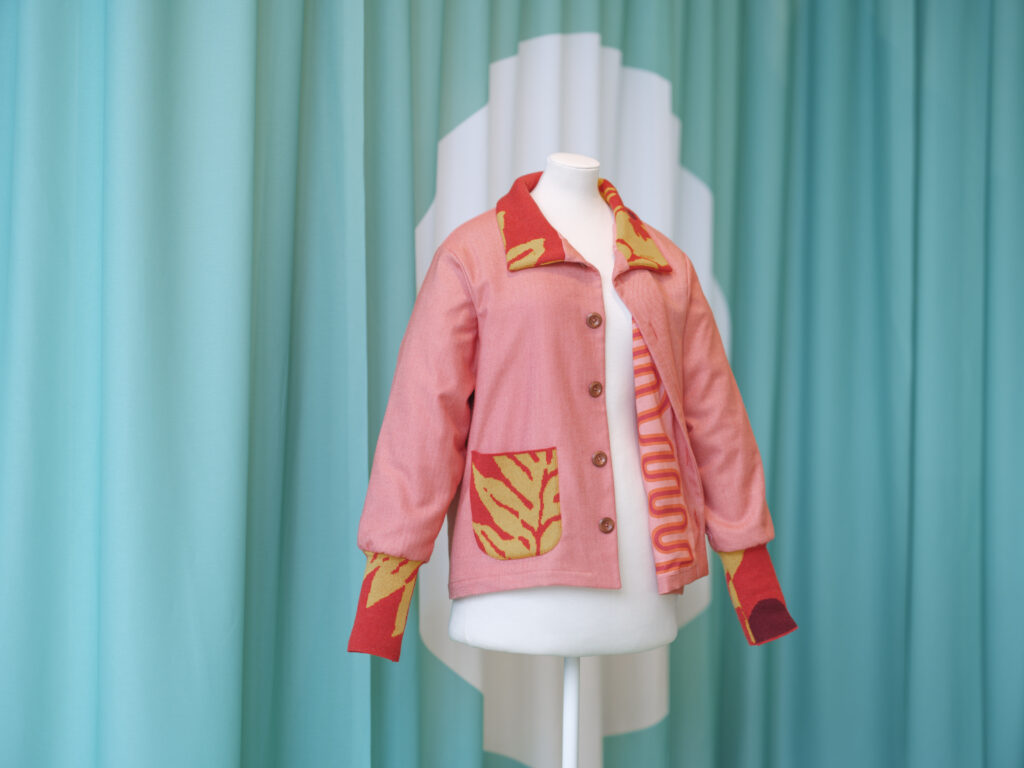
Heated garments offer a potential solution to provide warmth to the wearer while reducing home heating and CO2 emissions. Products currently on the market typically use wires in their garments to produce heat, but these can be uncomfortable to wear. Electric blankets are bulky and encourage reduced mobility while heated activewear can be uncomfortable for indoor use. This study presents the development stages of innovative heated loungewear, designed for comfort, ease of use, and to permit mobility.