
Design HOPES at DRS26
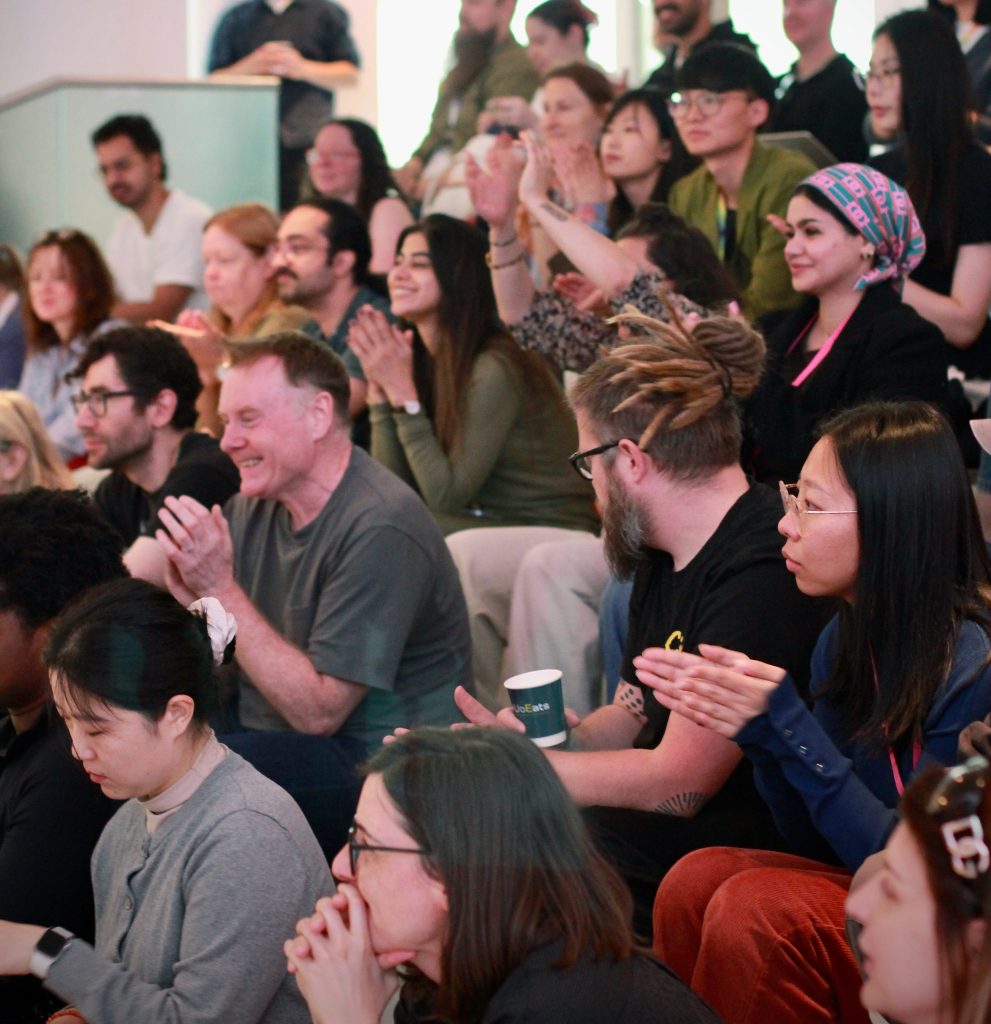
Design HOPES played a prominent role at the recent Design Research Society 2026 Conference in Edinburgh, contributing research that addressed both sustainability and the future of collaborative design practice. We presented papers through the formal conference proceedings, took part in a keynote and panel discussion for the launch of Design for Scotland, and co-hosted (with Lancaster University and Design Research Works) the event DRS P.S! as part of the conference fringe – an energetic and dynamic panel and open-forum event asking what now, what not, and what next for design research?
Dr Lewis Urquhart presented the paper, From Commodity to Commons: Creating Local Eco-systems for the Design of Sustainable NHS Garments in Scotland, which explored how NHS Scotland garment systems can transition from globalised procurement models to sustainable, locally rooted ecosystems. Through co-design with healthcare professionals and regional manufacturers, the research developed circular prototypes including reusable theatre caps and hospital scrubs, demonstrating how regenerative materials and place-based production can reduce waste while supporting green local economies.
Dr Laura MacLean also presented research from Pillar 3 (Place Regenerated) examining how power dynamics, diverse voices and collective capabilities can be better supported within research collaborations. The work offers valuable empirical insights into non-hierarchical leadership approaches, aligning closely with a growing emphasis on more inclusive and collaborative ways of working.
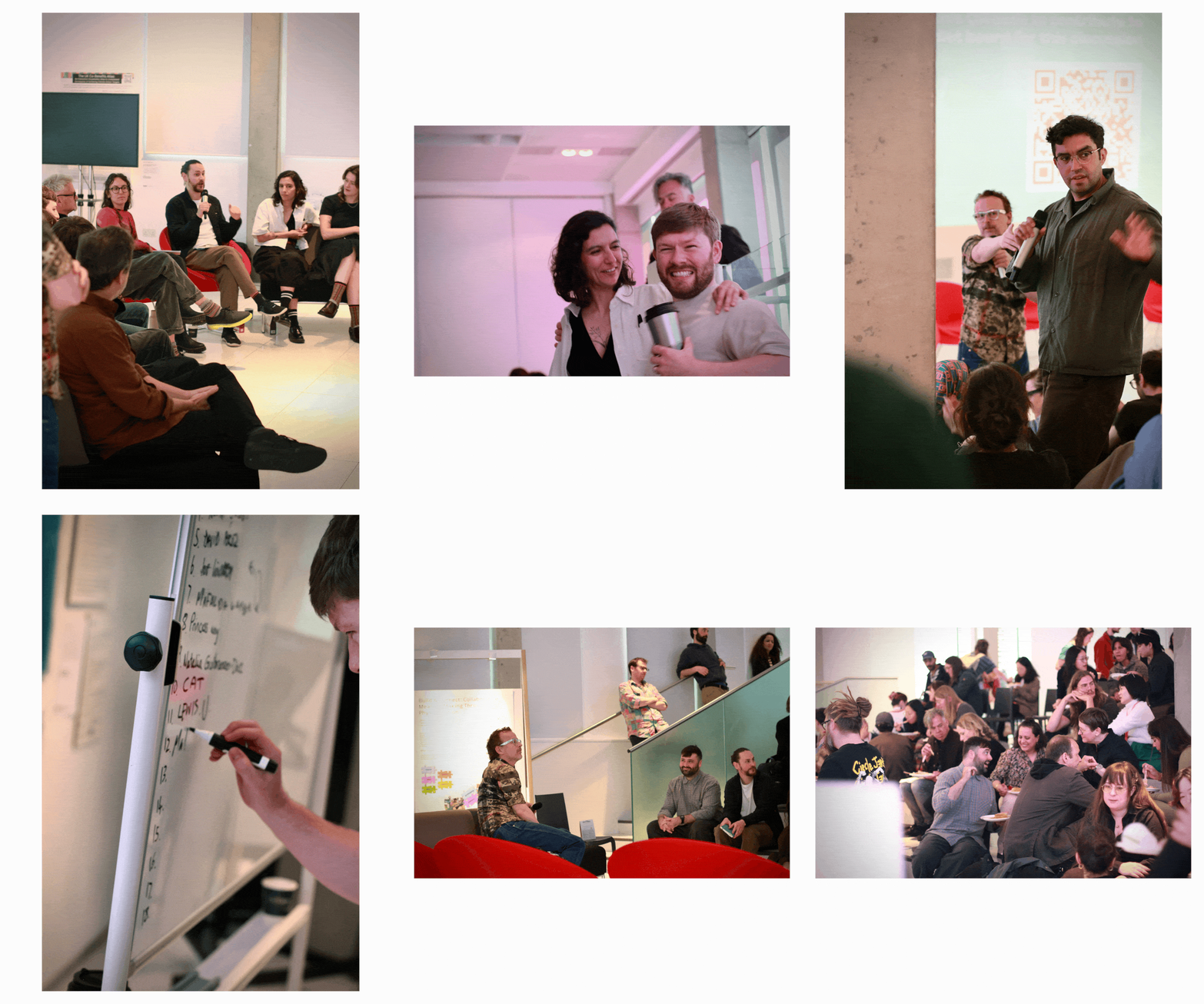
Alongside the main conference programme, Design HOPES co-hosted the DRS P.S! fringe event, described by co-organiser Saadia Shah (Lancaster University) as “an informal and safe space for sharing thoughts and reflections on how design-led research can best address some of the pressing issues society faces”. The event’s open-mic discussions encouraged participants to “speak up and speak out”, according to Dr Joe Lindley (Lancaster University), while, as Professor Paul Rodgers (University of Strathclyde) reflected, the conversations were “passionate and political, but collegiate and collaborative in nature”. You can see images from this event above – with thanks to everyone who attended and brought their energy and ideas to these sessions.
